A grain co-op · Pacific Northwest
We buy grain by the ton and split it up between our houses.
We're a dozen households buying wheat and rye whole from farms in the Skagit. It sits in sacks in a dry room. Every few weeks somebody hauls a few hundred pounds to the mill, and we divide up what comes back.
Whole grain keeps a year if you keep it dry. Flour doesn't, so we store the grain and grind as we go.
How it works
How a year goes
Grain gets bought once a year. Storing it and hauling it is most of the work after that.
-
Late summer
Put the order in
You tell the farm what you want before planting, so they know it's sold before it goes in the ground. It also means we know roughly what we'll have.
-
Harvest
Haul it home
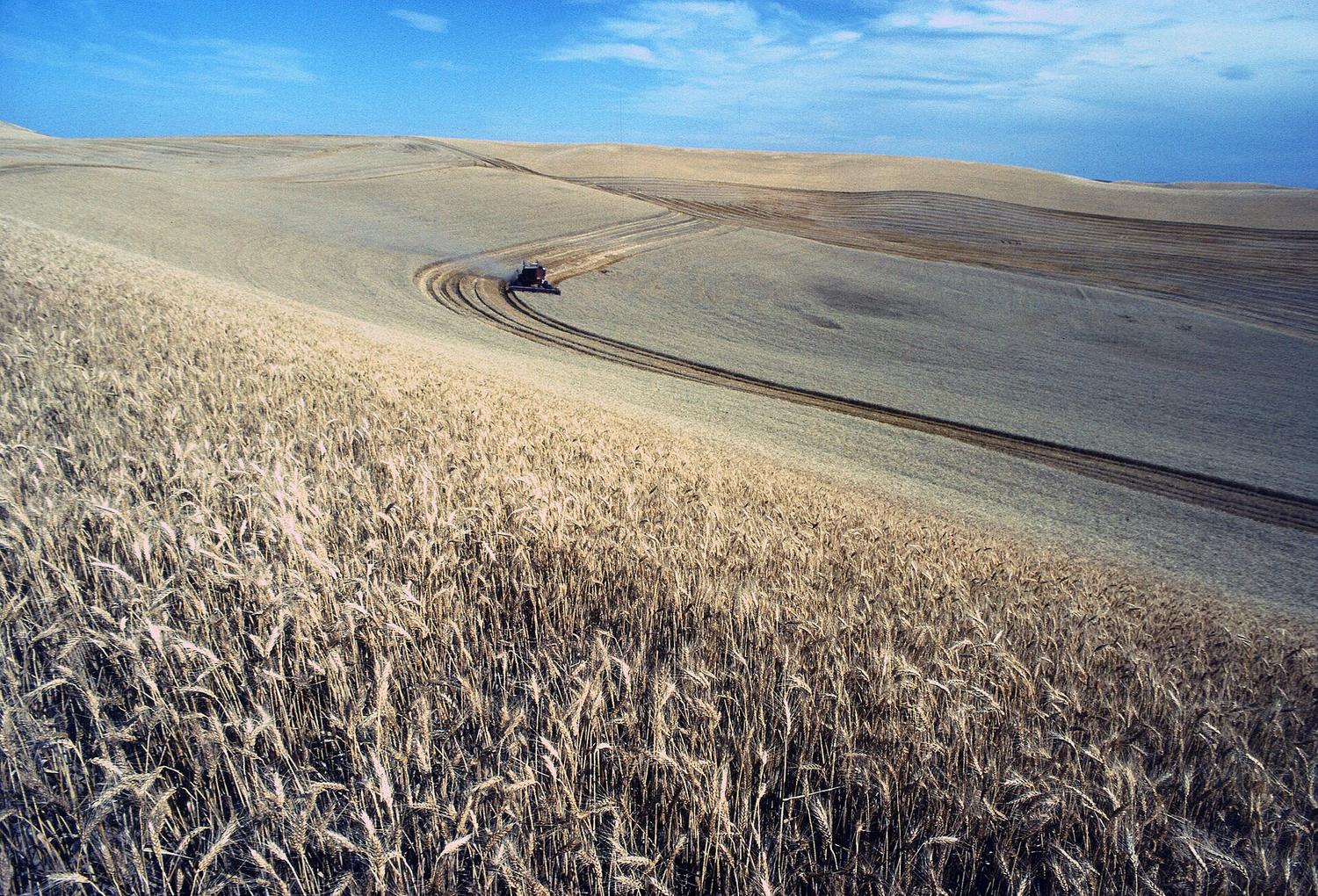
It comes off the field as berries and goes into sacks. The grain lives in a dry room with a good floor and no mice in it.
-
All year
Mill as you go
A few hundred pounds go to the mill at a time. Ground flour is only good for a few weeks, so there's no reason to have more than that sitting around.
-
Every few weeks
Divide it
Sacks get split into whatever people ordered. Two people can get through it in an afternoon.
Grain
What we grind
Mostly wheat, in two kinds. One is for bread and the other is for pastry. The rest comes in smaller amounts.
| Grain | What it is | Used for |
|---|---|---|
| Hard wheat | strong, for bread | loaves, sourdough, pizza |
| Soft wheat | weak, for pastry | cookies, pie, waffles |
| Heritage wheat | older kinds, ground whole | tortillas, flatbread, porridge |
| Rye | winters over, grows easy | rye bread, crackers, starter |
| Emmer | old wheat, hull stays on | farro, pasta, mixed into bread |
| Barley | hull stays on | soup, flatbread, malt |
Emmer and barley have to be hulled before they can be ground, and we don't own a huller, so those two come in already hulled and cost more per pound because of it.
Pickup
Where you pick it up
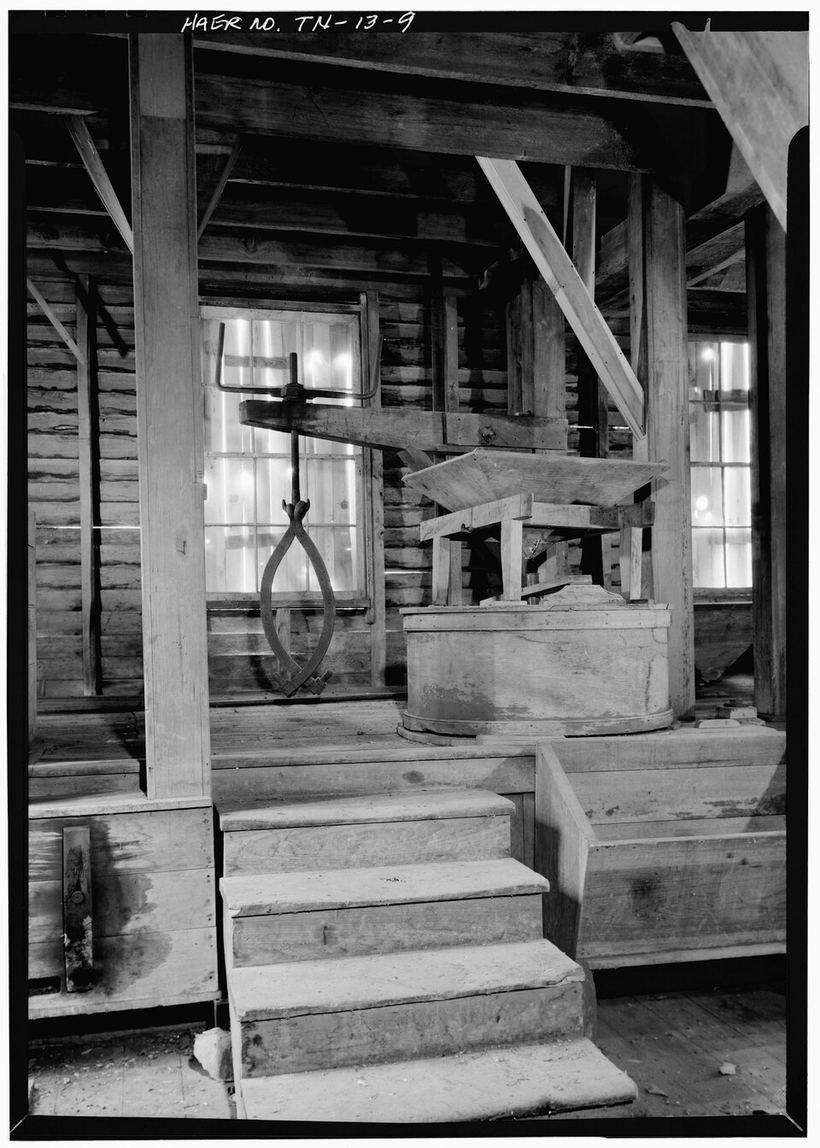
The mill is up in the Skagit, near the grain, so somebody drives the sacks down. The rest of it is a folding table, a scale, a stack of paper sacks, and whoever's turn it is standing behind it for a couple of hours.
-
Bellingham
North end of the run
-
Mount Vernon
At the mill
-
Seattle
Where most of us live
-
Olympia
South end of the run
Four tables for now. They move around as people join and drop out, and a table only runs where enough houses want one.
Running it
Who does what
- Deciding
- One house, one vote, on the grain and the price and where the tables go.
- The work
- Bagging, hauling, standing at a table. Everybody takes a turn.
- The books
- Whoever paid in can see what the grain cost and what the mill charged.
Questions
Things people ask
Why not just buy flour?
Whole grain is cheaper per pound than flour and it keeps a lot longer. The catch is that you have to buy a lot of it at once, which is easier with a dozen households than with one.
Does fresh flour really taste different?
For a few weeks after grinding, yes. It's the oil in the germ, which is also why it goes off.
Flour, or whole grain?
Either. If you have a mill on the counter, take berries, since they keep longer. Otherwise take flour and use it up.
Who grows grain around here?
More farms than you'd think. Wheat, rye and barley are back in the rotation on both sides of the mountains, usually on small acreage.